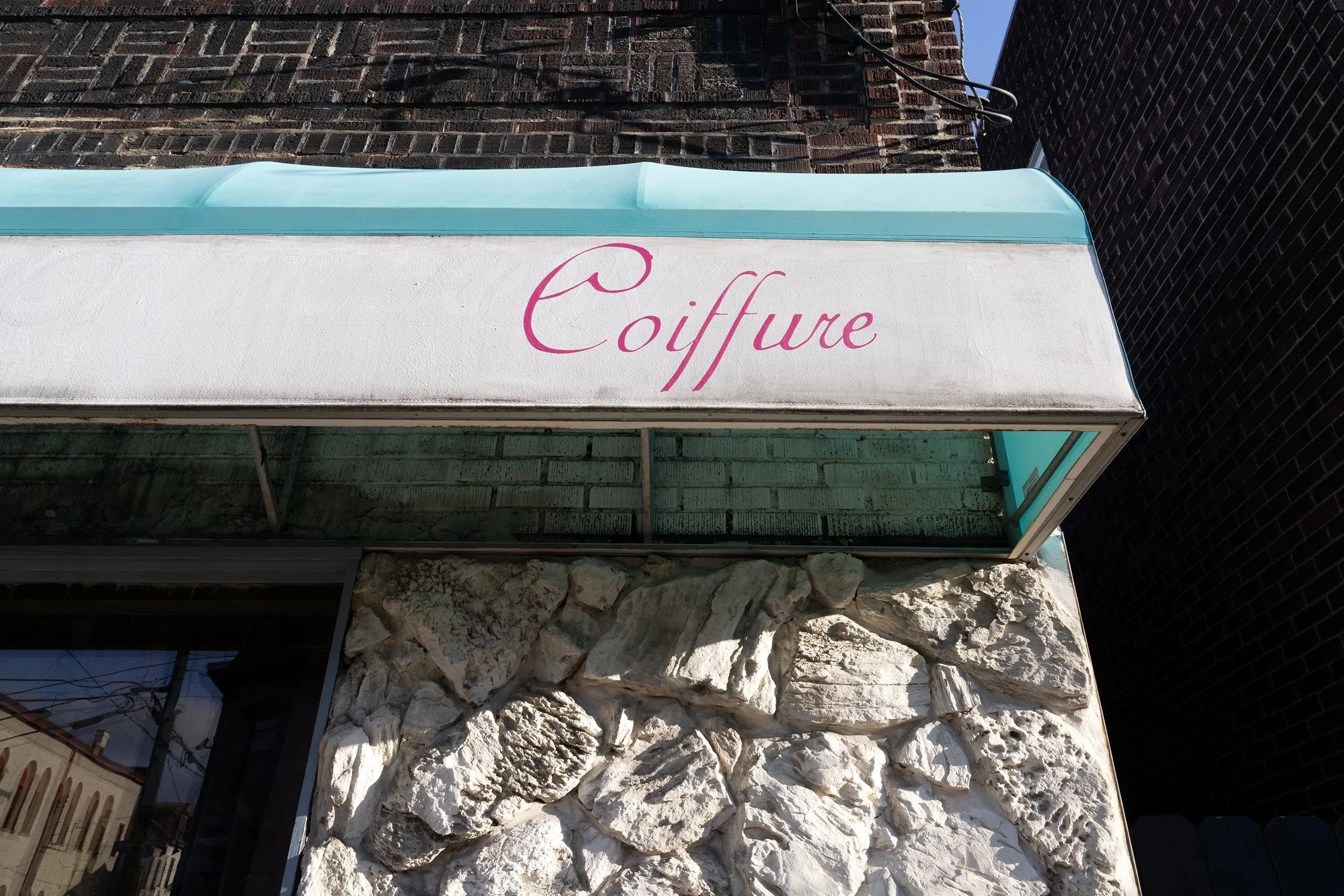
“I loved this neighbourhood… there was absolutely everything you needed to live – a bakery, a butcher, a coiffeur, a hardware store, a tailor, a grocer’s shop, a clock repairman –and I enjoyed that very much, having everything I need, just down my street.”
-Agnes Varda, 2012
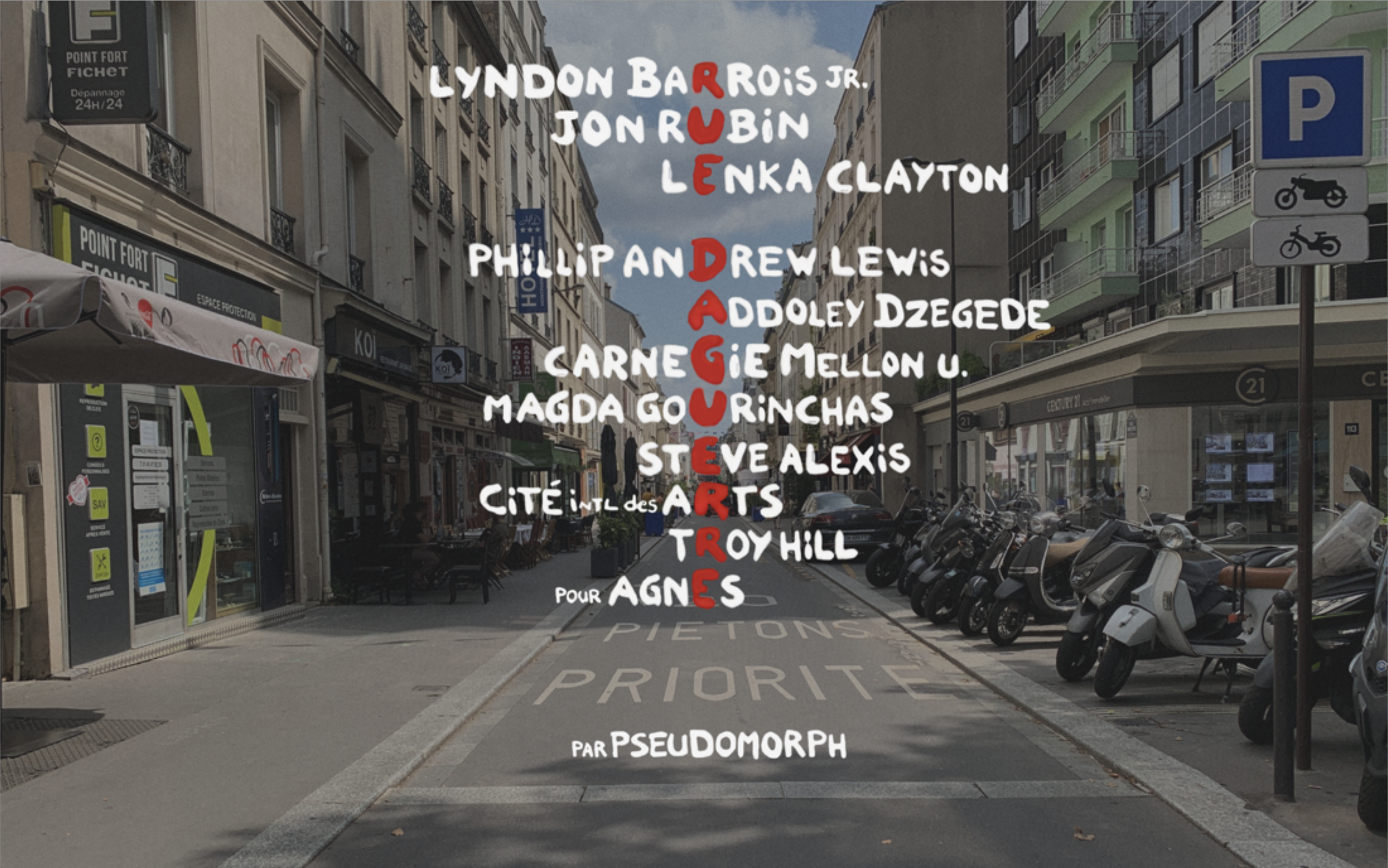
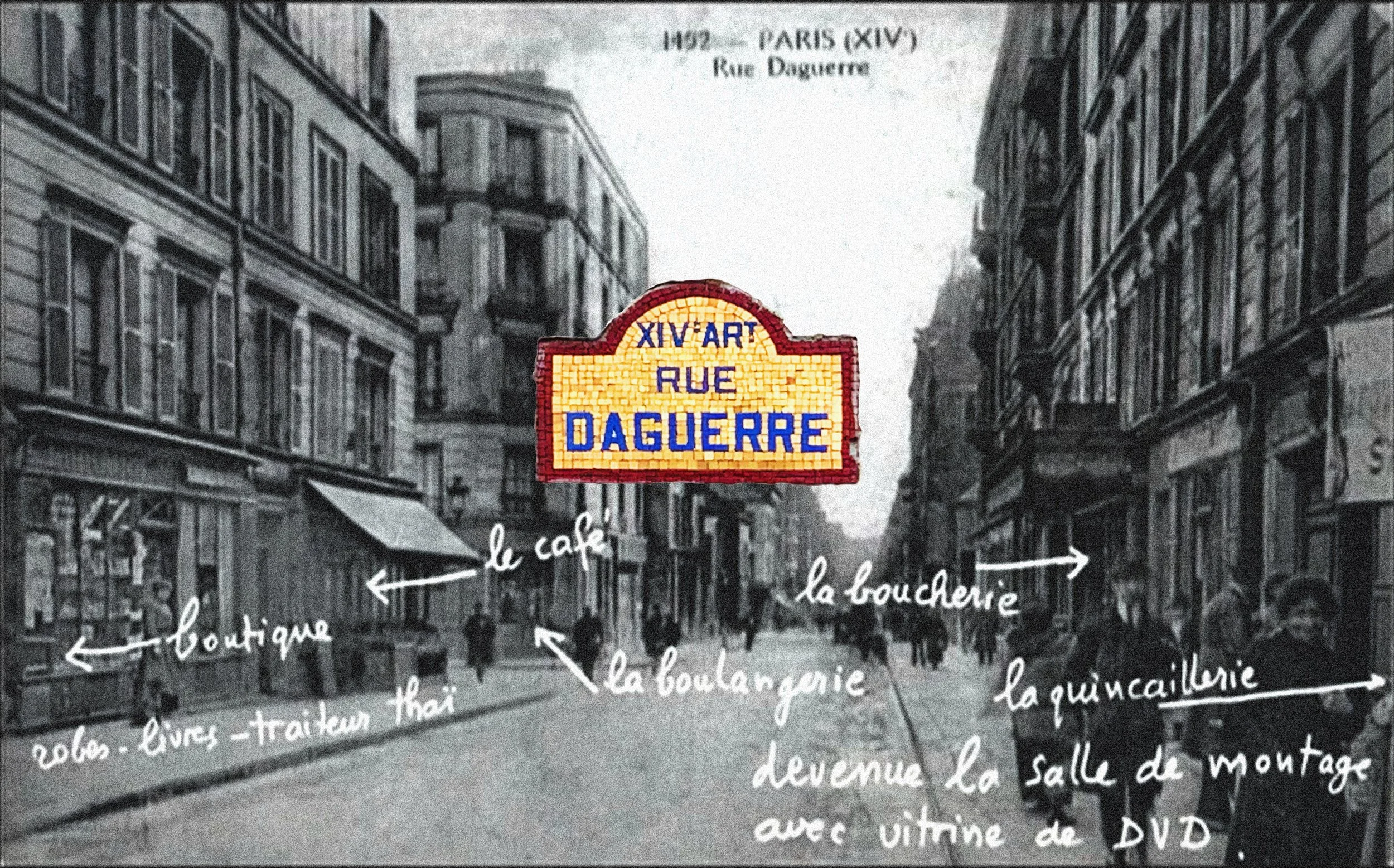
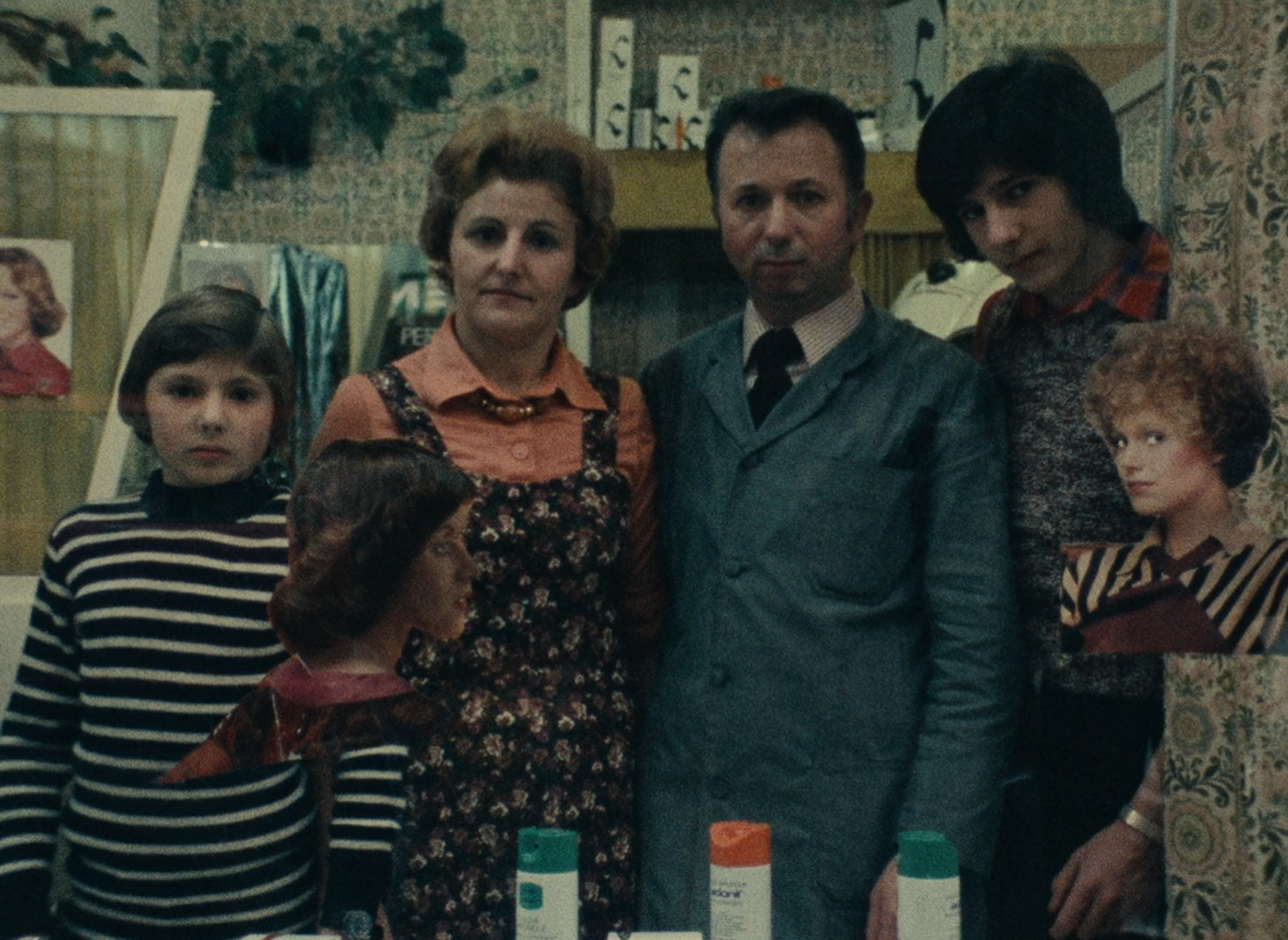
Agnes Varda’s charming 1975 documentary Daguerreotypes offers a portrait of a street through portraits of its vendors. Rue Daguerre, the street she had lived on for most of her life, was host to numerous eccentric and essential shops and services. While the businesses shown in the film have since turned over, the street remains a vibrant strip that prioritizes pedestrian shopping. It prompts the question of what a community needs to sustain its residents, how these needs have changed over time, and what has been lost, or missed even.
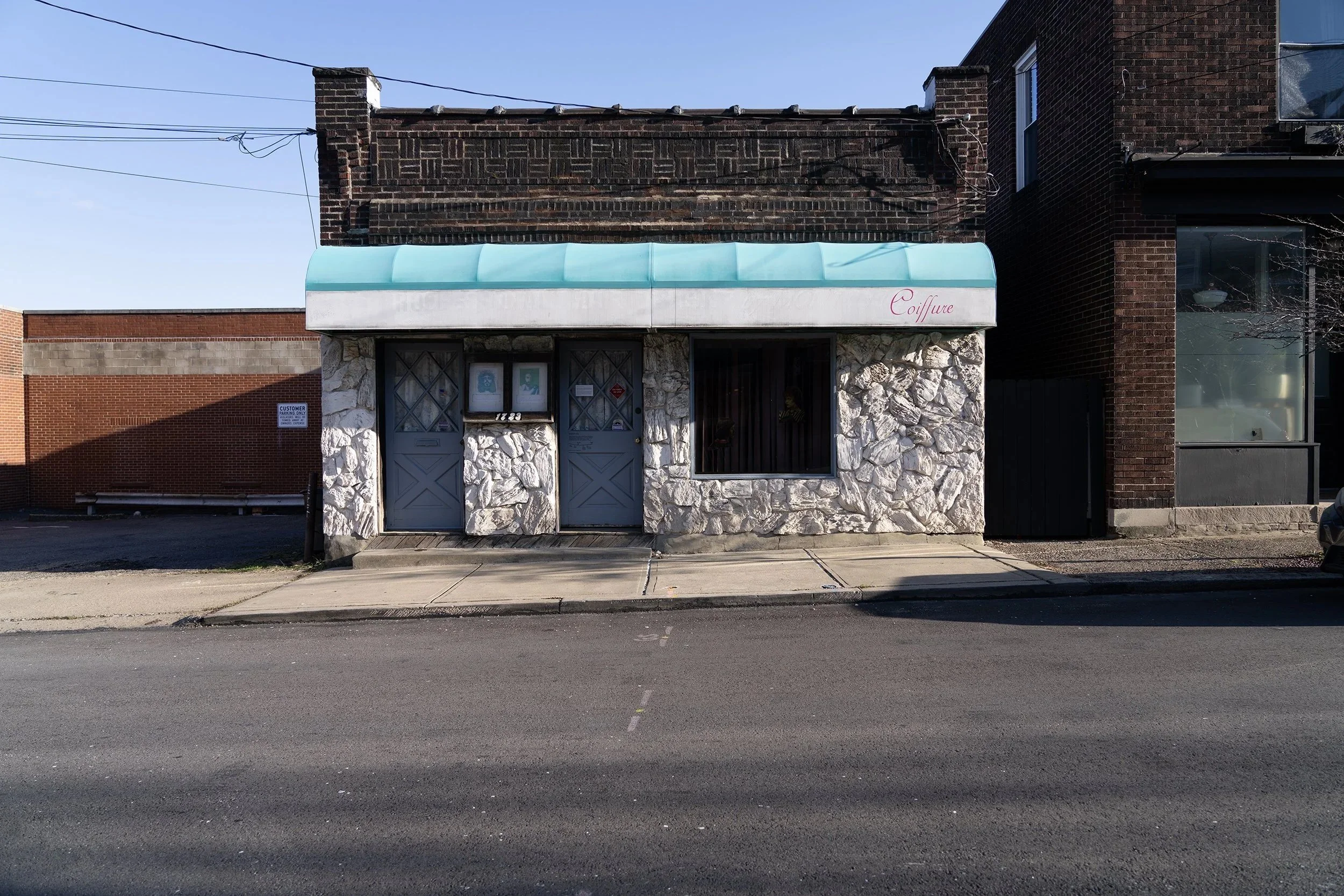
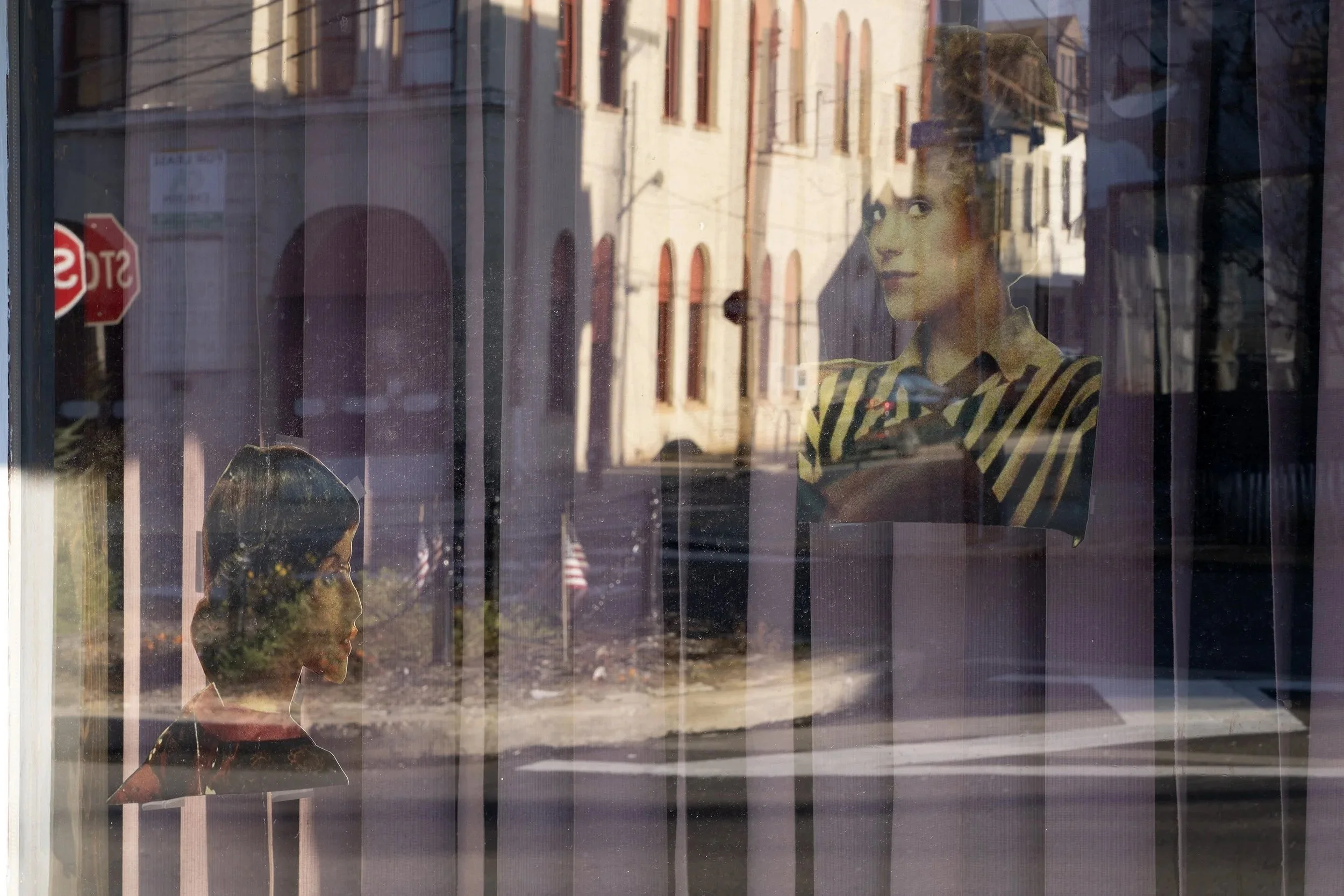
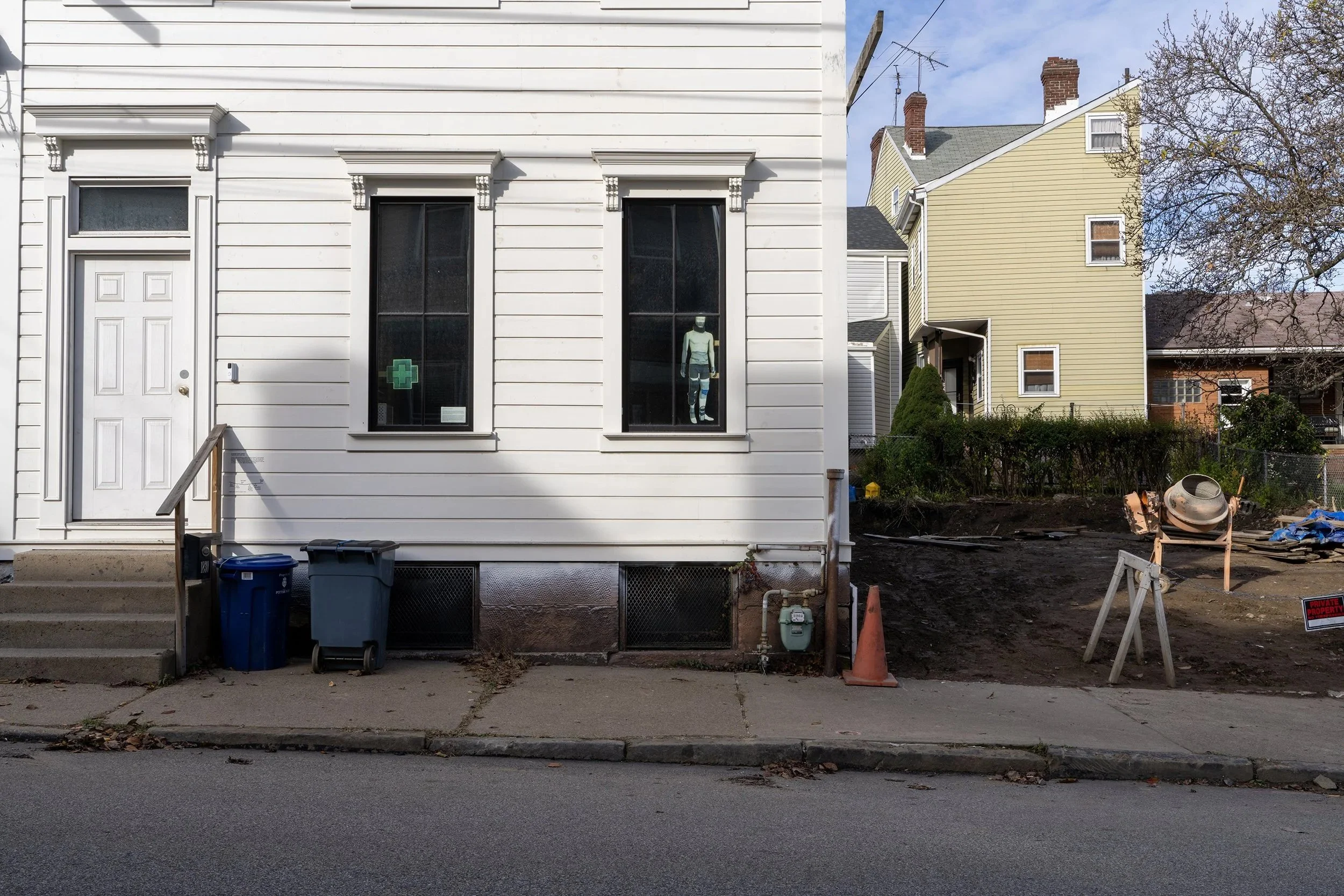
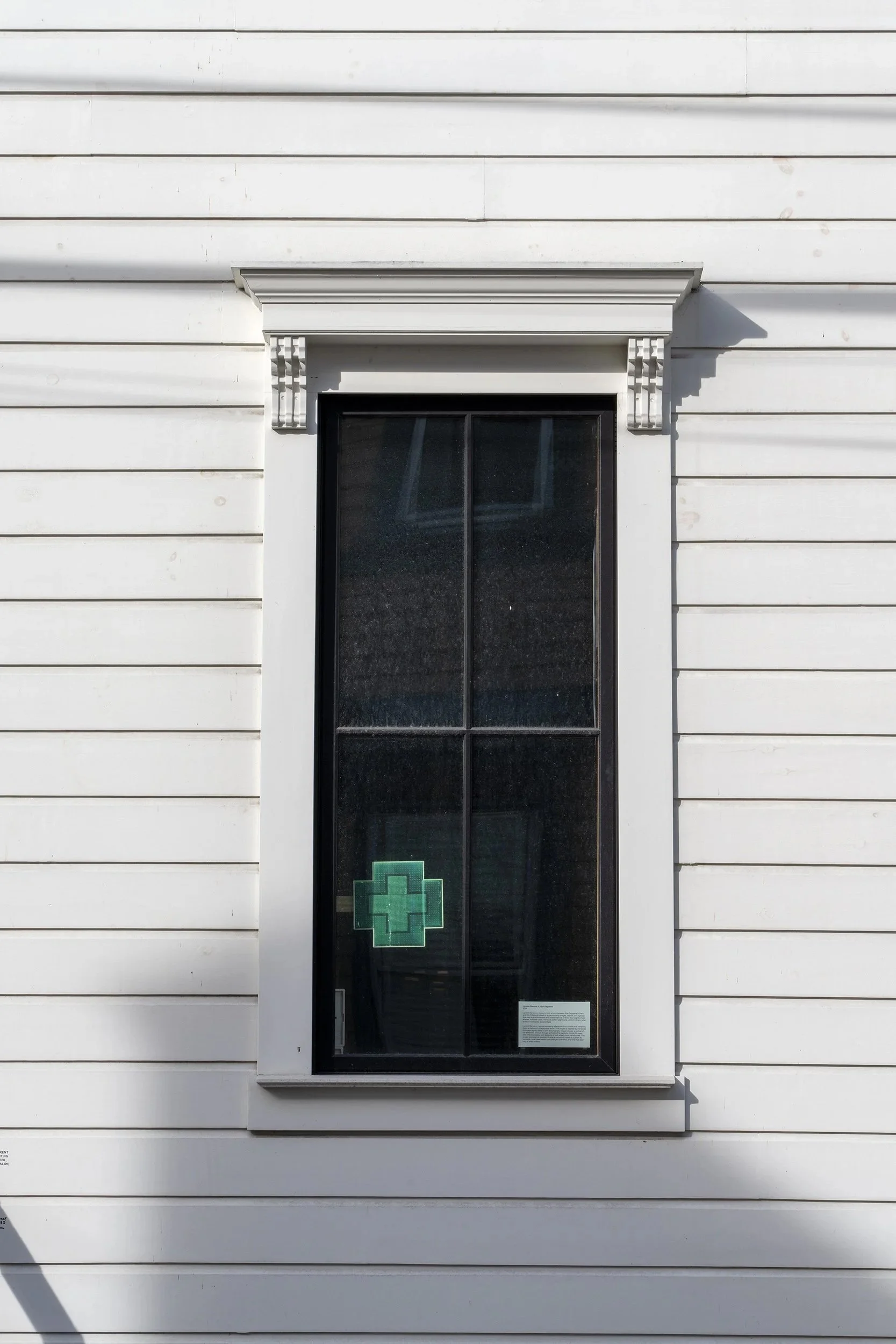
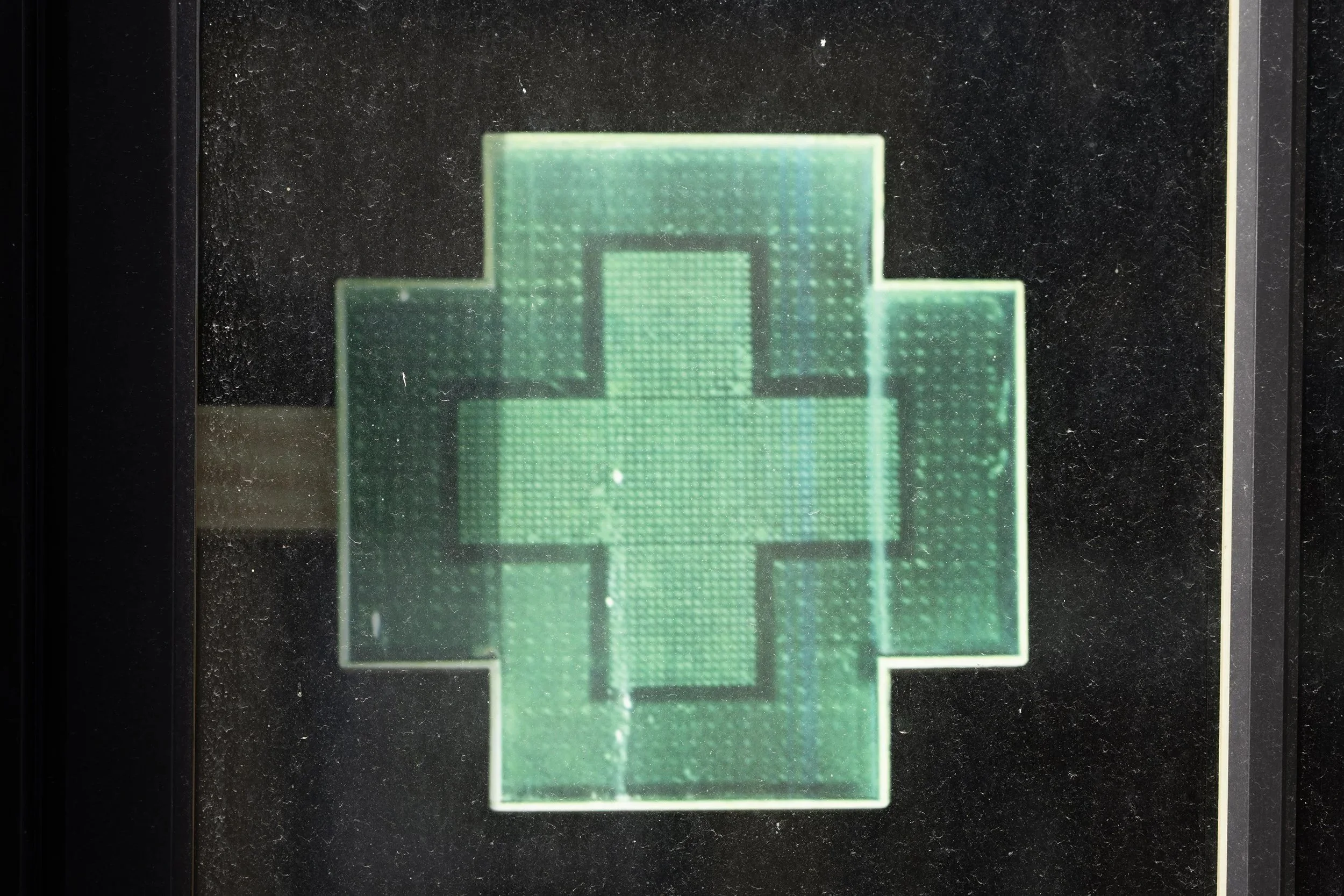
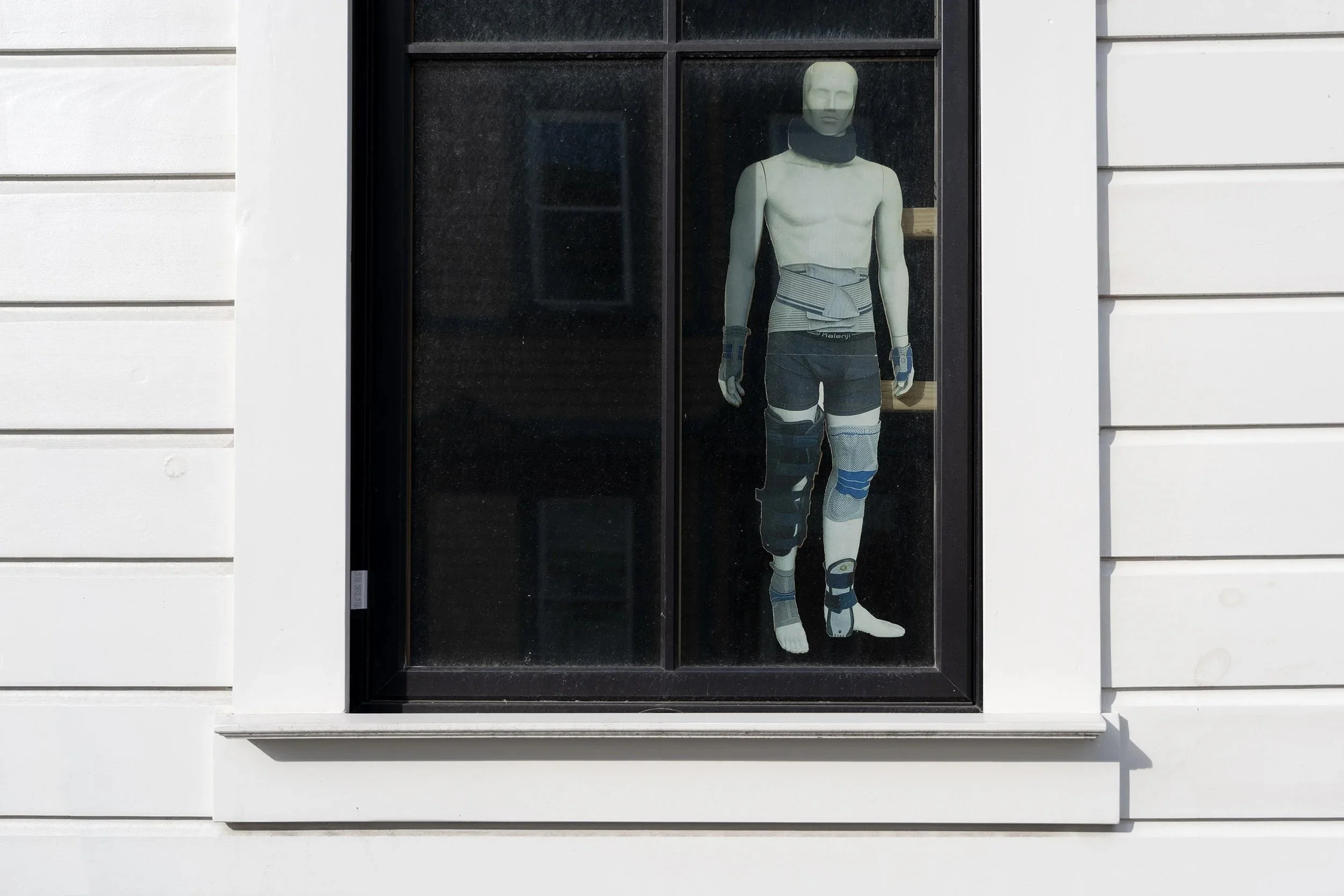
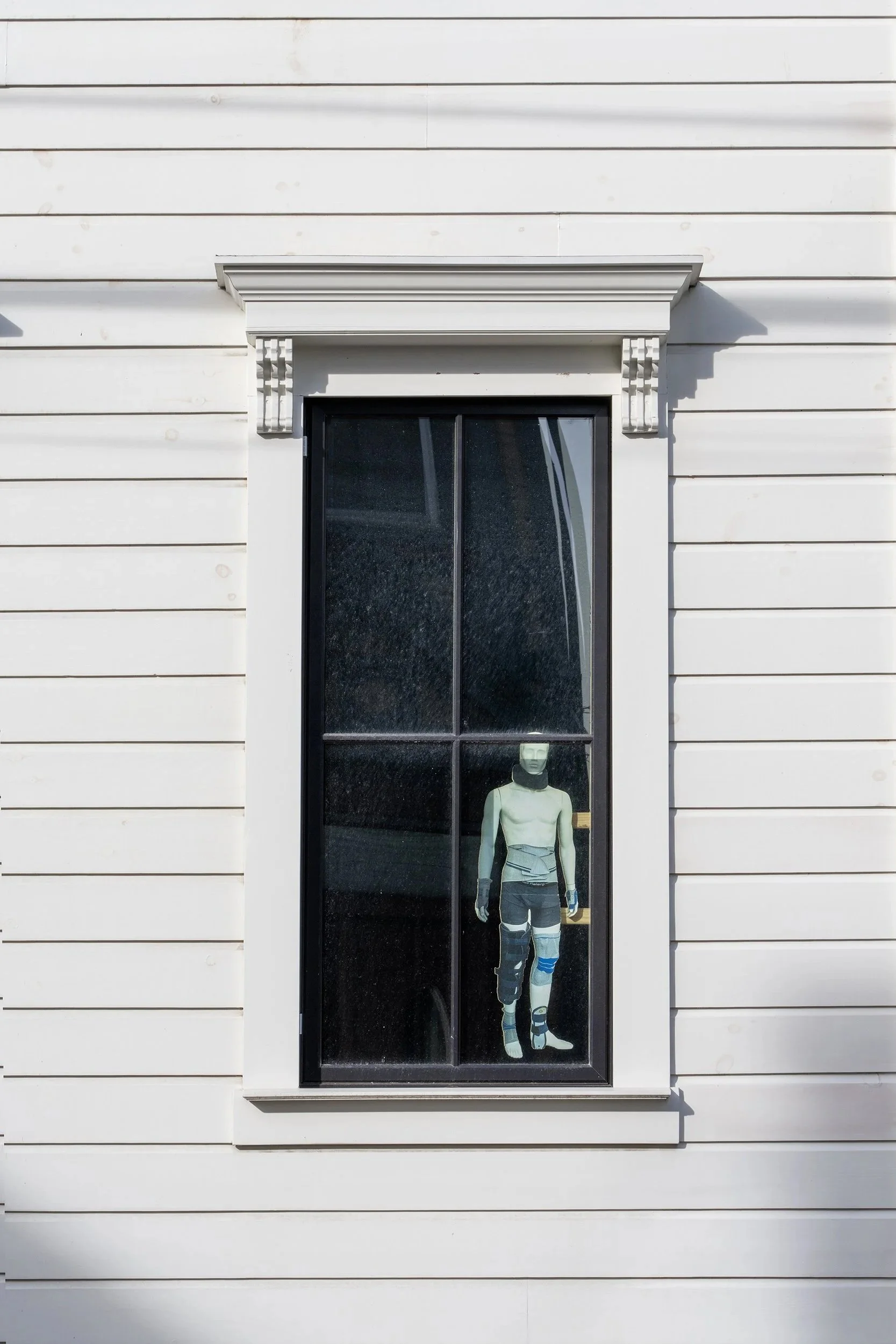
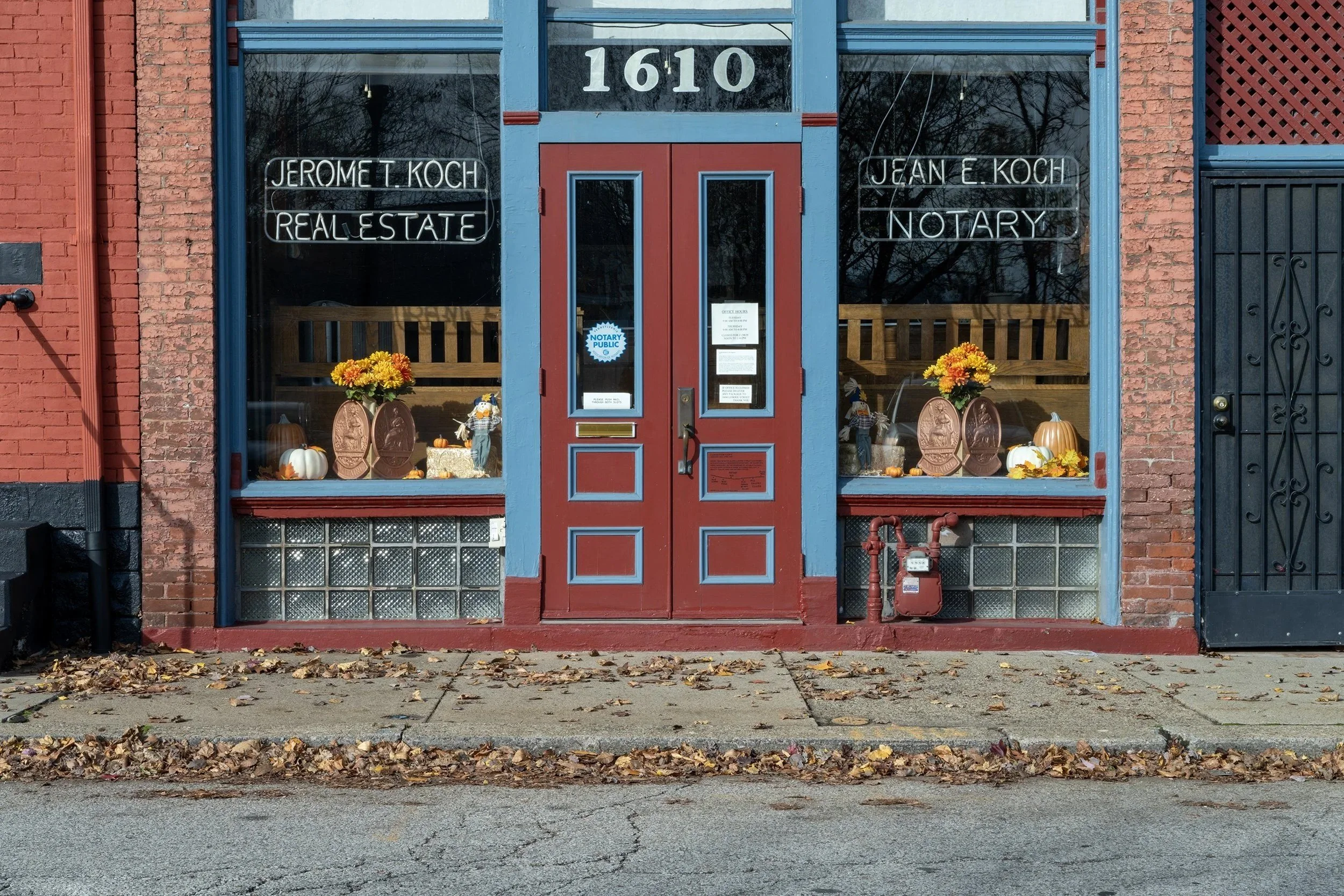
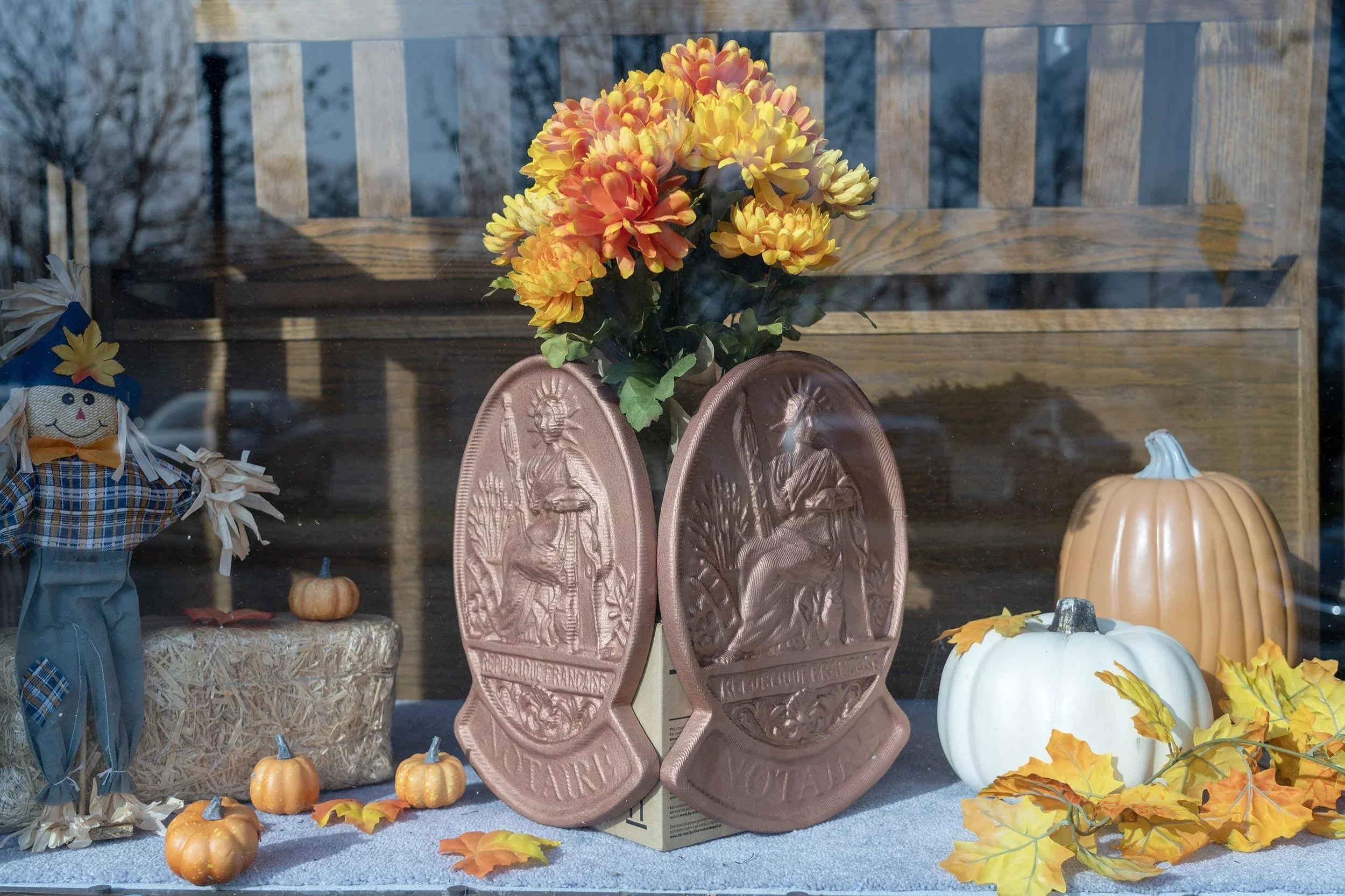
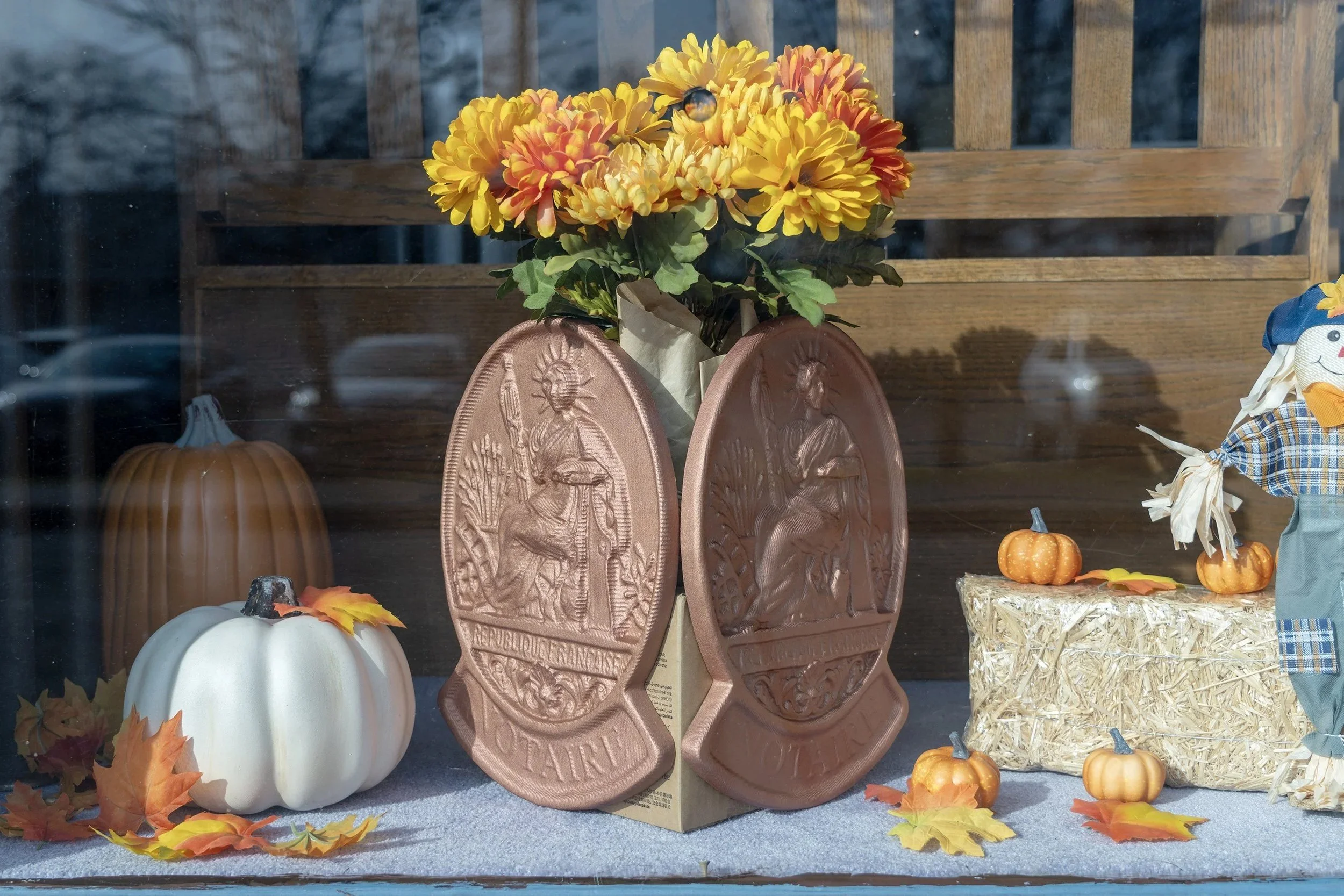
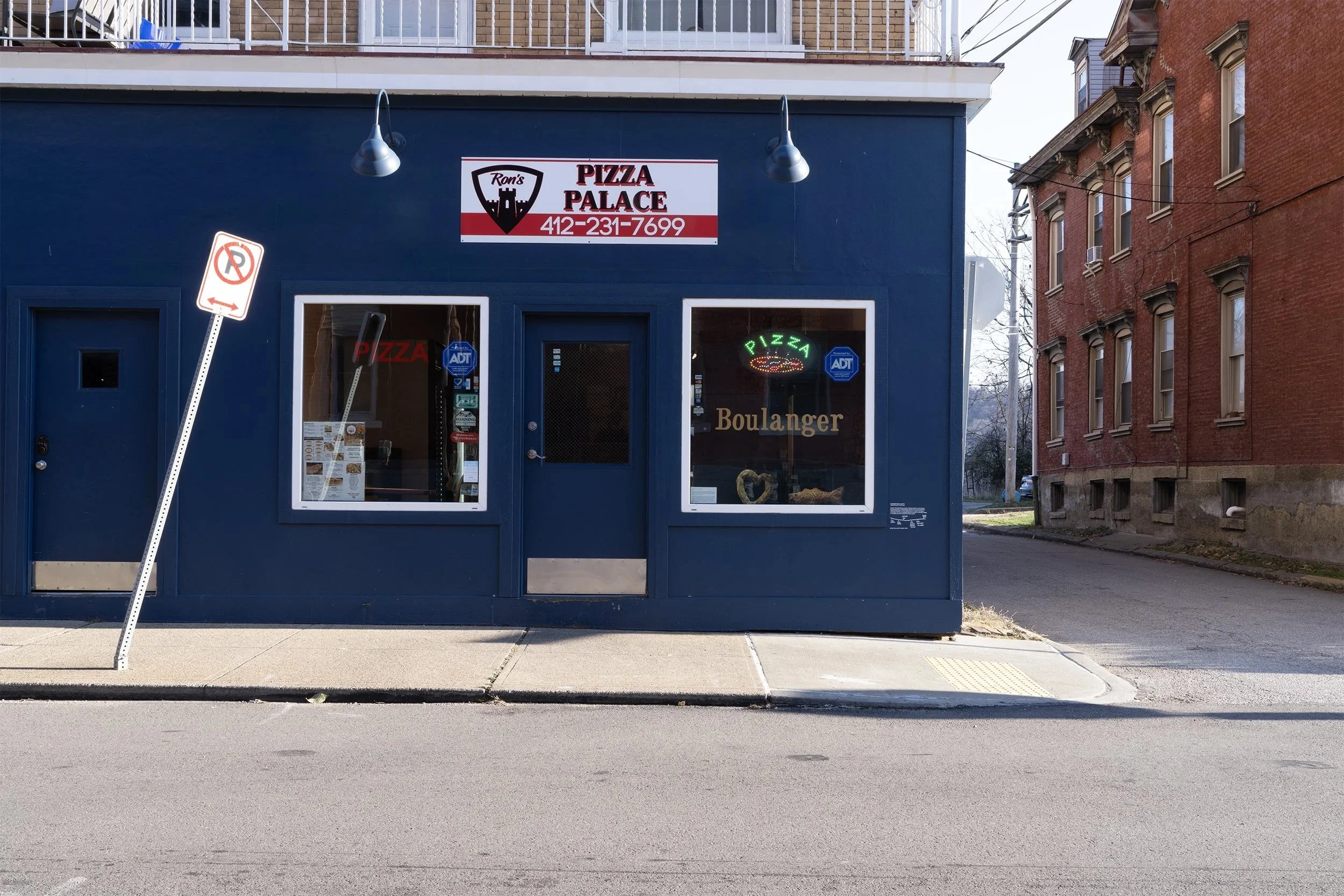
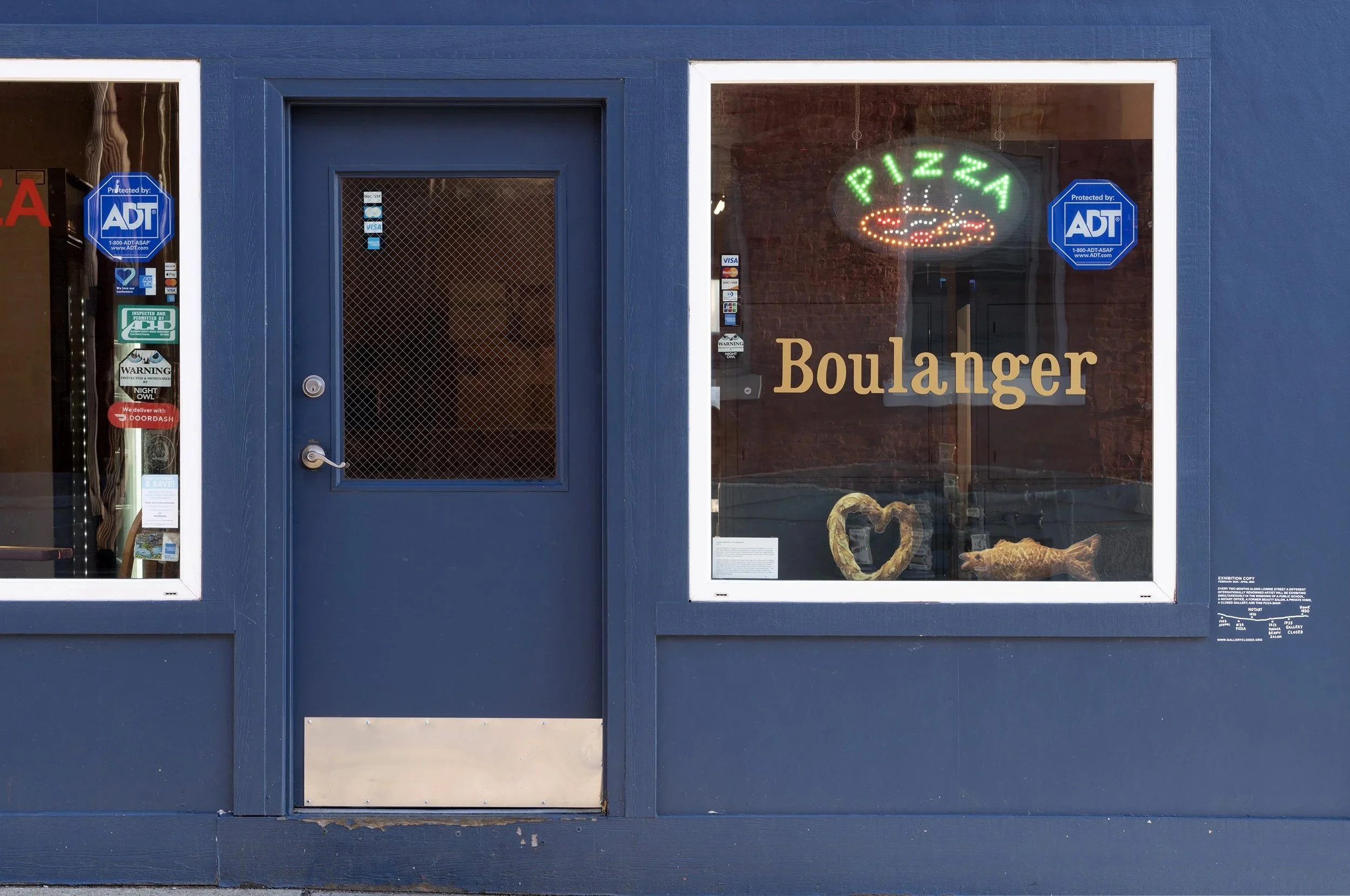
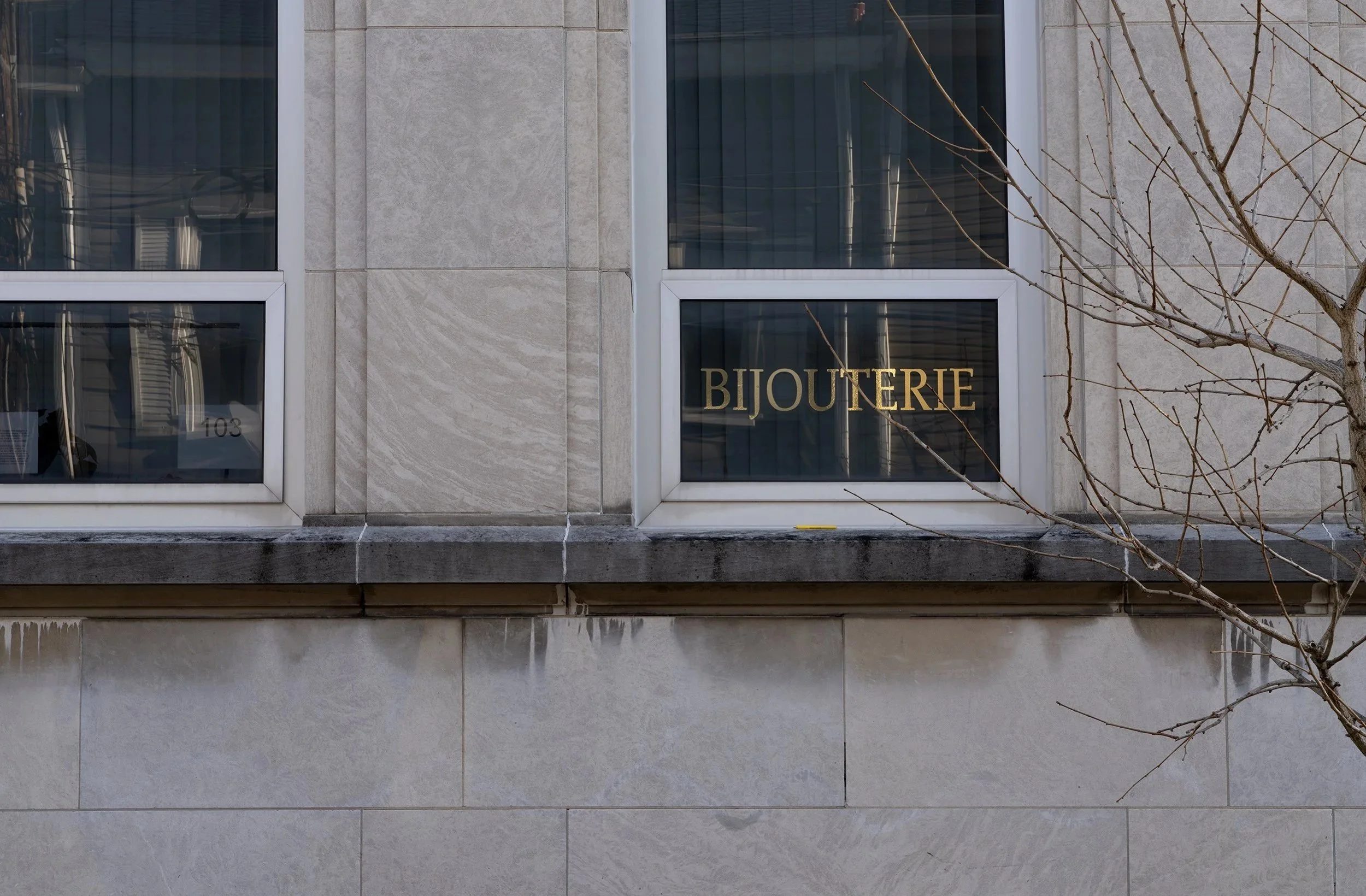
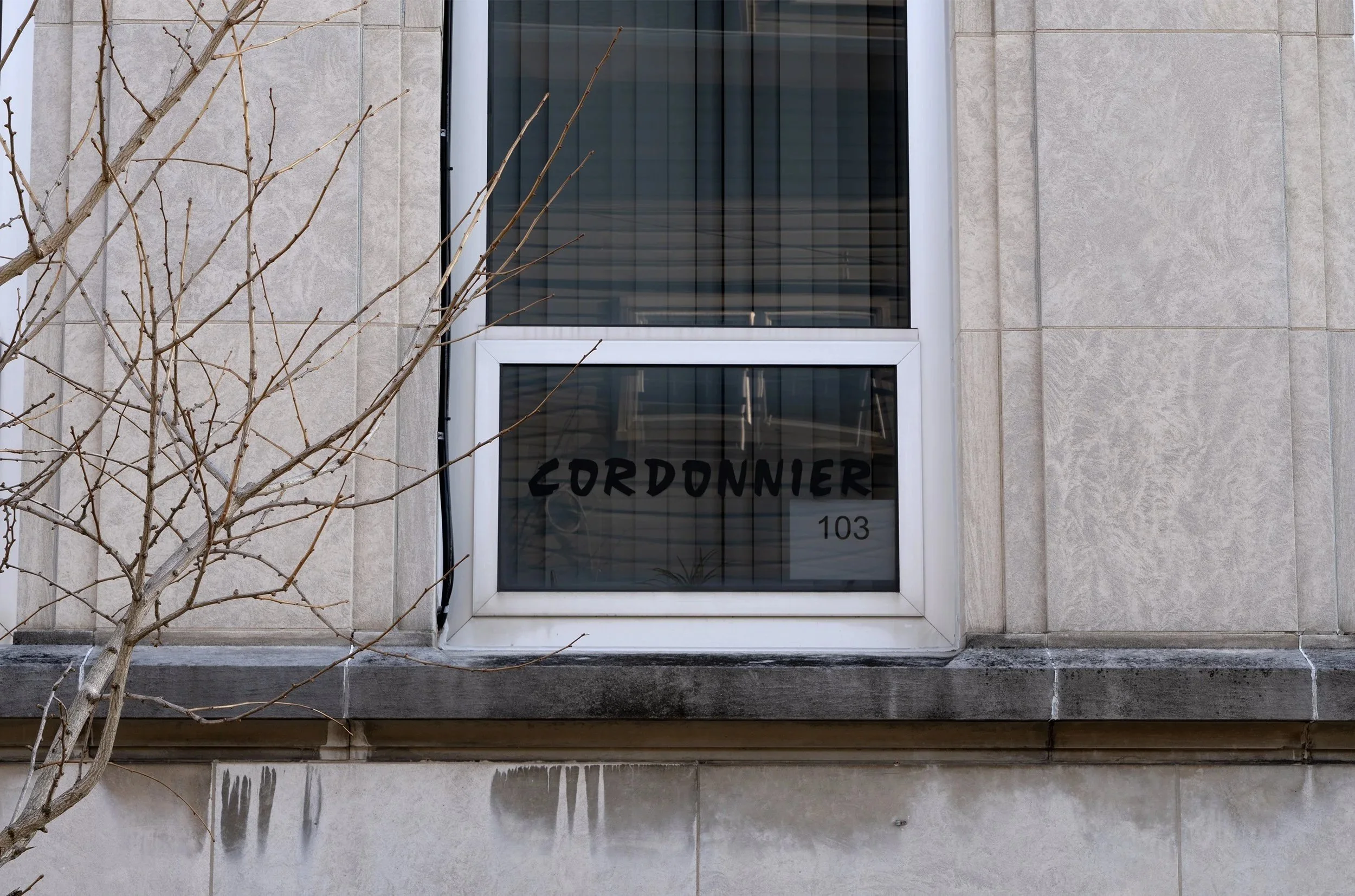
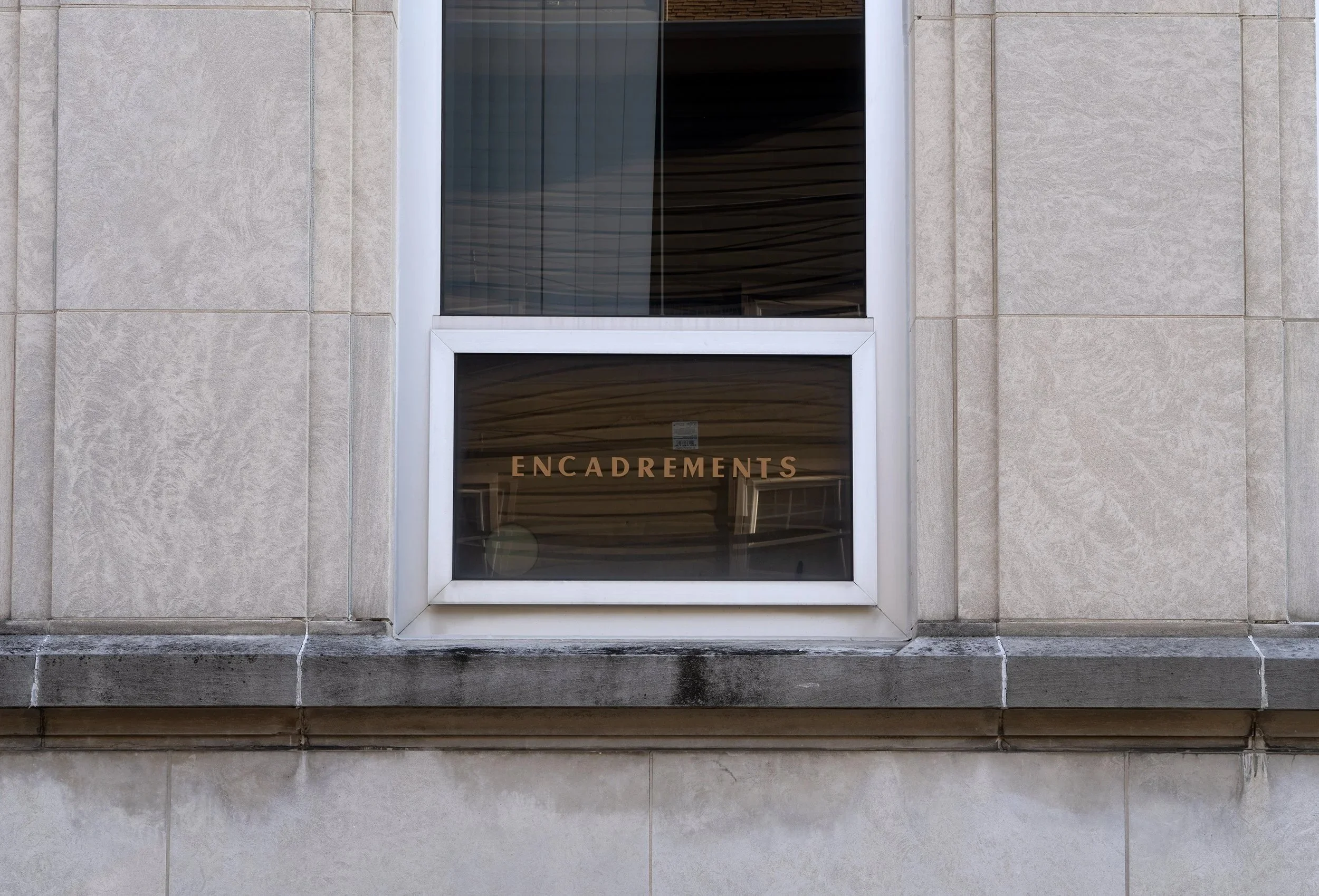
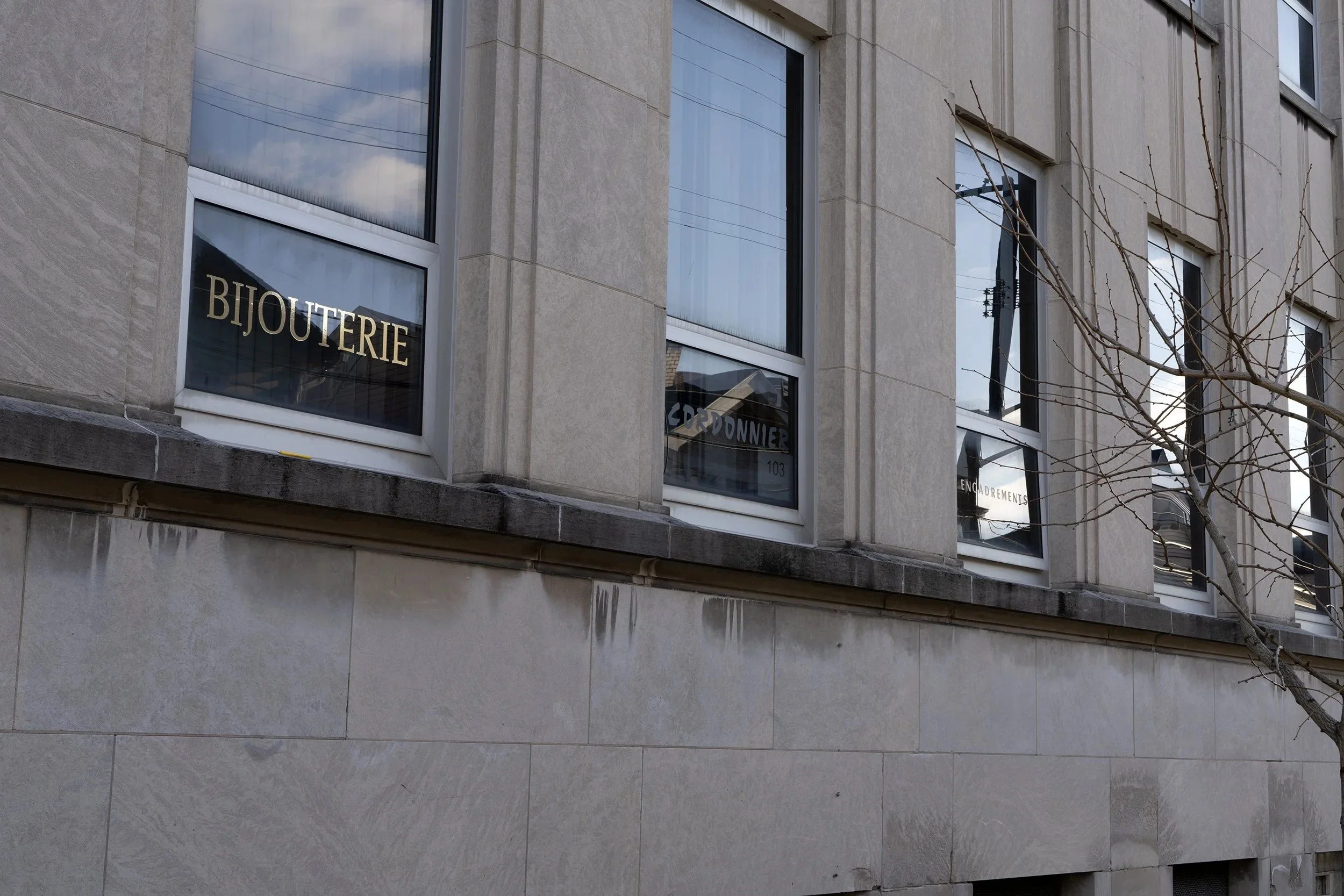
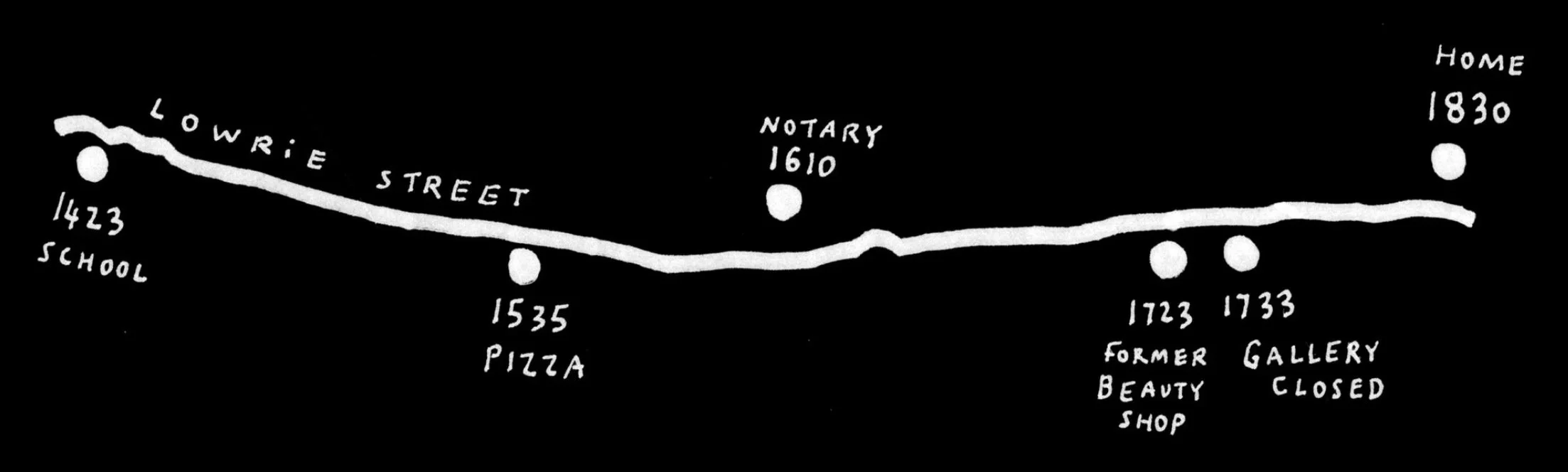
The artworks installed for Rue Daguerre are somewhat of a tribute to this film, its maker, and the ‘types’ of folks it features. Lyndon Barrois Jr. often enjoys borrowing references from cinema and remaking them as cameos in the physical world. This summer he spent time documenting details, peculiarities and banalities from the namesake Parisian street at present day. His works feature not images from the film Daguerreotypes, but the actual street as it has evolved since the filming. He hopes to form a bond between Rue Daguerre and Lowrie Street, superimposing images, objects, and signage that play on the similarities and mistranslations of these two neighborhood arteries. In some cases, there are perfect alignments, while in others, what exists is not exactly as advertised.
Exhibition Copy @ Gallery Closed
Pittsburgh, PA | October/November 2024